Clothing samples almost never arrive perfect first time. If you are launching a fashion brand, that is worth knowing before the first parcel lands, because it changes how you budget, how you plan your timeline and how you react when something is not right.
Most people picture sampling as a quick check before production. In reality it is one of the longest, most expensive and most misunderstood stages of the whole process, and it is where a lot of fashion start-ups either build a good relationship with a factory or start to lose money.
Here is what to expect from the sampling stage, what it tends to cost, how long it takes and how to review each sample so that every round gets you closer to a product you are happy to put into production.
What to Expect From Clothing Samples
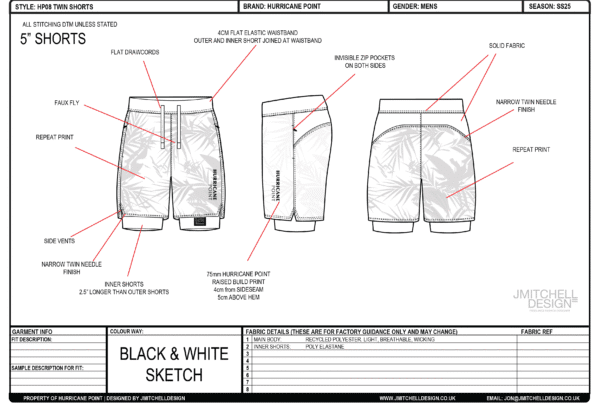
Sampling is where your tech packs turn into a real garment for the first time. Until now everything has been drawings, documents and ideas. The sample is the first chance to see how the fabric behaves, how the proportions sit on a body and whether the details you approved on paper look the way you imagined.
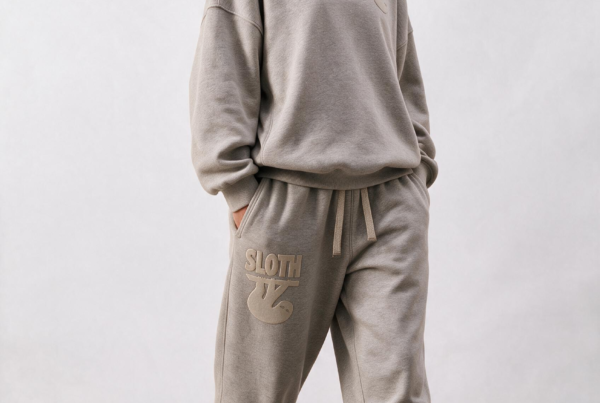
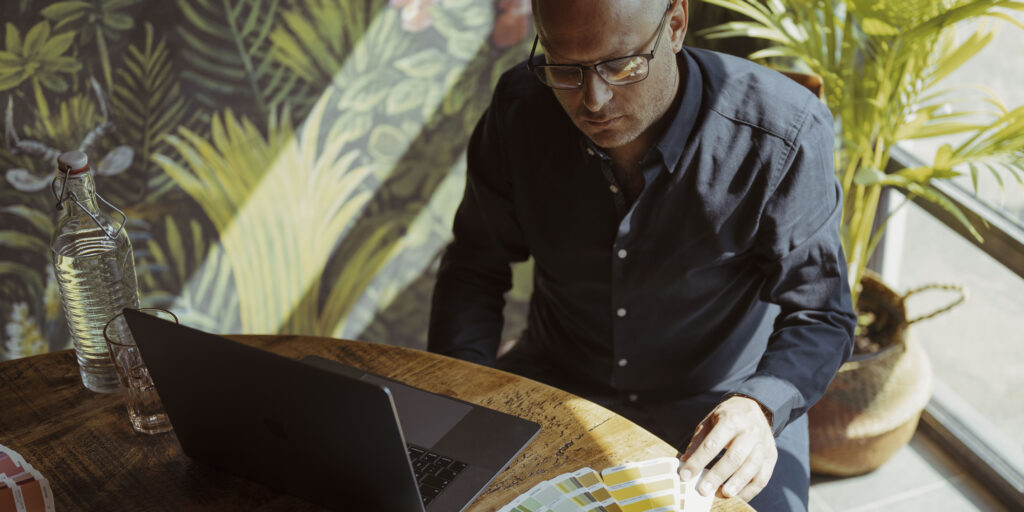
There is usually more than one type of sample along the way. Lab dips are small pieces of fabric dyed to your colour requirements so you can approve the shade. Strike offs show a print or graphic on the fabric before it goes into production. Fit samples let you check the shape and measurements. A pre-production sample is made with the actual fabric and trims and represents what the final garment should be, and a size set shows the garment across the full size range.
Not every project needs all of these, but it helps to know the names, because your factory or designer will use them. If you want a refresher on the language, my fashion acronyms and terminology guide covers most of them.
Before the Samples Start: Get Your Information Right
The quality of your first sample is largely decided before the factory cuts a single piece of fabric. A factory can only build what it has been told, so the information you send matters more than almost anything else.
At a minimum, that means a tech pack with clear flats, a measurement chart and a bill of materials listing every fabric, trim and label. It helps to send artwork files at the correct sizes, any fabric swatches you have approved, and a reference garment if you have one that shows the fit or finish you are aiming for. If there is a particular detail that matters to you, such as a specific stitch or the weight of a fabric, say so clearly rather than assuming it is obvious.
Take the time to read through your tech packs properly before they go out, because anything unclear on the page is a gap the factory will fill with its own assumptions. Some factories are happy with images and a short description, while others want every detail written down, so it is worth learning how yours likes to work.
How Many Rounds of Samples Do You Need?
Plan for two to three rounds. Each round gives you a chance to comment on fit, fabric, colour and construction, and each round is another chance for the factory to get closer to what you want. A simple t shirt with a logo might settle quickly. A technical jacket with multiple panels, trims and details will take longer.
Resist the urge to treat the first sample as a failure if it needs changes. That is what it is for. The problem is not a sample that needs comments, it is a brand that did not budget the time or the money for them.
What Do Clothing Samples Cost?
As a rough guide, sample costs are typically £150 to £250 per sample, and with two to three rounds that adds up quickly across a range. If you also want support through the process, including fabric sourcing, trim selection, factory communication and sample reviews, development and sampling support typically sits around £1500 to £3000 depending on the project.
These figures are indicative and will vary with garment complexity, fabric, factory and number of styles. The important point is that sampling is a real cost line in your budget, not a footnote. It also comes before production, where factories commonly ask for minimum order quantities of around 250 to 300 pieces per colour, so getting the sample right first is far cheaper than finding problems in bulk.
How Long Does Sampling Take?
Longer than most people expect. From the point your first collection is designed and signed off, with tech packs created and sent to the factory, it can be six months to a year before you receive your bulk order. A big part of that time is spent in sampling.
Each round involves the factory making the sample, shipping it to you, you reviewing it, writing your comments and sending them back, and the factory making the changes. Add in fabric and trim sourcing, delays on materials and public holidays. Chinese New Year, for example, is a period when manufacturing often halts, so a sample that lands in the wrong week can cost you a lot of time.
The best thing you can do is build a realistic timeline from the start and treat every day you take to respond as a day added to the schedule. Slow feedback from the brand side is one of the most common causes of delay.
How to Review a Sample Properly
When a sample arrives, do not just look at it and decide whether you like it. Work through it against your tech pack, one area at a time.
- Lay the garment out flat and measure it against the measurement chart.
- Try it on a fit model or someone close to your target size.
- Check the fabric, zips, labels and trims against the bill of materials.
- Check the logo and artwork sizes and positions.
- Check the stitching, seams and finishing on the inside as well as the outside.
- Photograph everything, including close ups of any issues.
Keep in mind that a sample that matches your tech pack exactly can still look different to the picture in your head. If that happens, the sample is doing its job. It is showing you where your idea and the document were not the same thing.
How to Write Comments a Factory Can Use
Once you have reviewed the sample, write all your comments in one go rather than sending a drip of messages over several days. Group them by area, such as fit, fabric, trims, artwork and construction, and number them so they are easy to refer back to.
Be specific. Instead of saying the fit is off, say where, by how much and what you want instead. For example, you might say the sleeve length is too long by a given measurement and ask for it to match the chart. Add photographs with arrows or circles on the problem areas, because a picture removes the guesswork that language differences or different assumptions can create.
It also helps to separate what must change from what you would like to change. If everything is marked as urgent, the factory cannot tell what matters most, and you risk getting a sample that fixes the small things and still misses the big ones.
Common Problems and What to Do About Them
Some problems come up again and again in sampling. Colours can come back different to what you approved, which is why lab dips exist. Logos can be placed or sized differently to the pack. Fit can be out on a measurement or two. Sometimes a fabric or trim has been substituted for something similar, either because the original was not available or because it was not made clear that it could not be changed.
When this happens, start by checking the tech pack and bill of materials to see whether the information was clear. If it was, ask the factory why it was changed and request a corrected sample. If it was not, the fix is as much about improving your documentation as it is about the factory getting it wrong. Either way, keep a dated record of what you asked for and what was agreed, and ask your designer to update the tech pack so the latest decision is always on the page.
I have handed over tech packs and bills of materials with every detail covered and still received samples with substituted fabrics, trims and colours. It is frustrating, but it is also a normal part of working with factories, and a calm, documented response gets better results than a heated one.
Factories Work in Different Ways
Every factory has its own process, and even within one factory the developer you are dealing with makes a big difference. Some are sticklers for detail. Others take initiative and suggest changes that improve the design or help with margins.
As a freelancer, you often do not have time to educate a factory the way a large brand would. Too much information can leave no room to problem solve, and too little leaves room for risky assumptions. The best results come from building relationships over time and learning how each factory likes to work. If you want support managing this stage, you can read more about fashion manufacturing support.
The Alternative: Make Your Own Samples and Patterns
If you really want to take the guesswork out of apparel manufacturing, the most reliable route is to make your own samples and patterns first.
That means working with a local seamstress and pattern cutter, ordering in fabrics to work with, and creating your trims with a specialist trim supplier such as Weavabel or Romil Butt. You then approach factories ready to go, with a sample that already works.
There is another big advantage. You own your patterns, and as a fashion brand your patterns are a major part of your intellectual property, alongside your brand name and logo. If you ever change factory, you can guarantee consistency, because the pattern comes with you.
It costs more upfront and takes longer, so it will not suit every brand, but it is worth considering if your product is technical or you plan to work with more than one factory.
Start Your Second Collection Samples Early
One thing that is rarely considered is that you need at least two collections, or a year’s worth of product. That has a direct effect on sampling. You should have your second collection samples in work, and being signed off, before you have even launched your first collection.
If you wait until the first range has dropped, you will lose momentum, because another six months to a year of design and sampling is too long for the attention span of the average customer. Planning your sampling in overlapping stages, or breaking your range into smaller capsules that drop through the year, keeps products moving without everything landing at once. It also means you need the budget for a second range before you have made any money back from the first.
Get Out to the Factory if You Can
Another top tip is to visit the factories and oversee production where possible. Seeing how your product is made, meeting the people making it and understanding what is easy and what is difficult for them helps more than any email chain. It builds trust, and it makes your future comments far more useful.
Final Thoughts
Clothing samples are not a sign that something has gone wrong. They are the process working as it should. Budget for two to three rounds, send clear information, review each sample against your tech pack, write specific photographed comments and learn how your factory likes to work.
If you are a brand at the beginning of this journey, my work with fashion start-ups covers everything from tech packs to sampling and production. You can also find me on LinkedIn.
FAQ
How many clothing samples do I need before production?
Most projects need two to three rounds of samples. Simple garments may settle sooner, while technical garments with more details often need more. Always plan your budget and timeline for at least two rounds.
How much do clothing samples cost?
Sample costs are typically £150 to £250 per sample, depending on the garment, fabric and factory. With two to three rounds per style, the total adds up quickly, so it should be a clear line in your launch budget.
How long does it take to get clothing samples made?
Sampling is often the longest part of development. From a signed off design to receiving your bulk order can take six months to a year, and every round of comments adds to that. Factory holidays and material delays can stretch it further.
What should I check when I receive a clothing sample?
Check the measurements against your tech pack, try the sample on, and compare the fabric, trims, logo sizes and stitching to the bill of materials. Photograph any issues and send all your comments to the factory together, with clear detail on what you want changed.
Should I make my own samples and patterns before going to a factory?
It can be a good route for technical products or brands planning to use more than one factory. Working with a local seamstress and pattern cutter means you own your patterns, which are an important part of your intellectual property, and you can keep your products consistent if you change factory.
Why do clothing samples look different from my tech pack?
Samples sometimes differ because of substituted fabrics or trims, different factory interpretations or gaps in the information supplied. Too much detail can leave no room for problem solving, and too little leaves room for assumptions, so clear communication with your factory contact is key.
Jonathan Mitchell is a freelance fashion designer with over 20 years of experience working with global brands and start-ups across activewear, sportswear and streetwear. From CADs and tech packs through to sampling and manufacturing support, J Mitchell Design offers a full fashion design service. Explore services at jmitchelldesign.co.uk or visit the JMD x Fashion Consultancy page to find out more.